
Confluence of AI and biomedicine.
BioAI Dresden.
Research unit links AI and biomedicine.
An infusion of 40 million euros funds the new BioAI Dresden research unit. Over the next 10 years, the joint project is supported by 20 million euros from the Boehringer Ingelheim Stiftung and another 20 million euros from the Max Planck Society, TU Dresden, and the Free State of Saxony. This unique research initiative, announced in November 2024, enables research in the field of biological and biomedical AI.
Linking AI methods with biochemical and physical knowledge across the scales of biology will make a significant contribution to a new scientific understanding of human health.
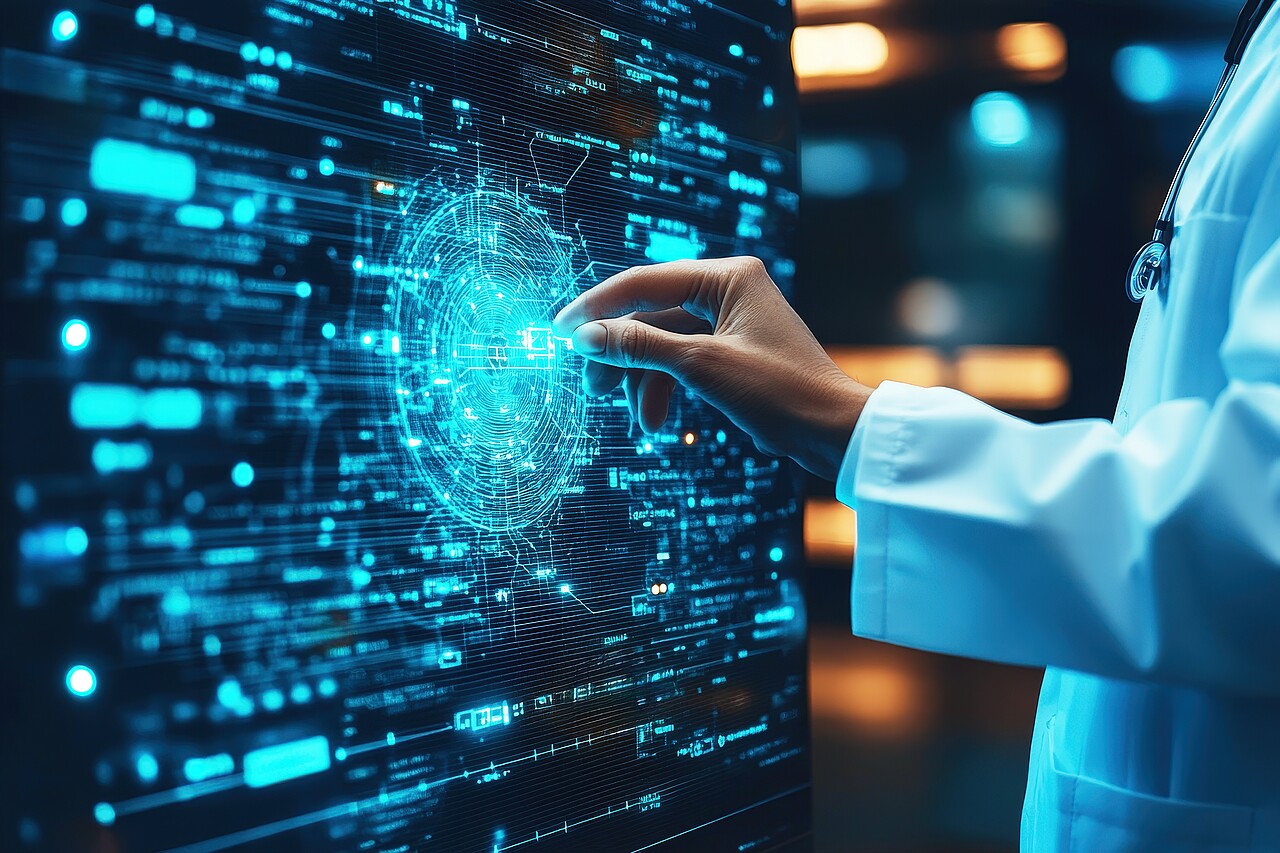
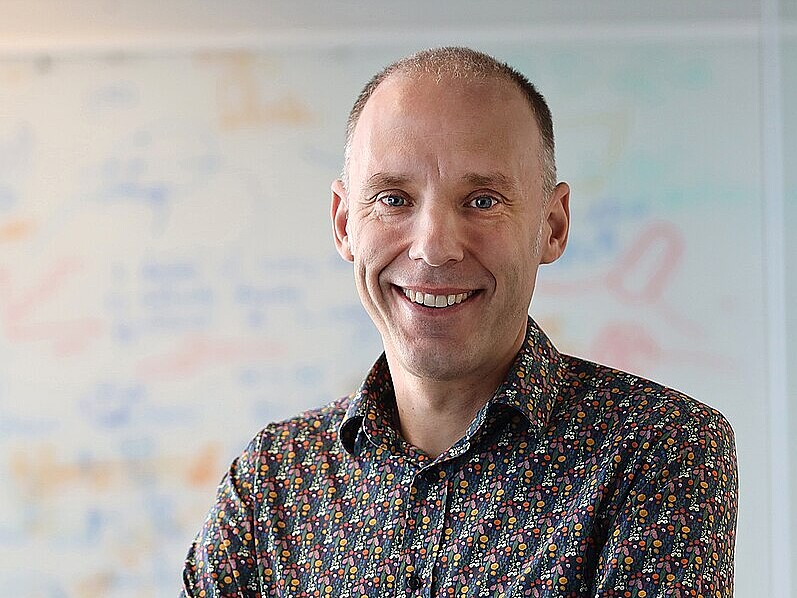
Living systems are incredibly complex. AI will be key to unraveling this complexity and understanding how living systems work. This exciting joint project will allow us to develop a new generation of physics-informed biomedical AI algorithms for identifying the principles and mechanisms that make up living systems.We are therefore ideally positioned here to drive the next revolution in the life sciences.
Prof. Dr Stephan Grill, Director MPI of Molecular Cell Biology and Genetics
Dresden as interconnected location.
The new BioAI Dresden unit includes two research groups located at the Center for Systems Biology Dresden (CSBD), an inter-institutional initiative between the Max Planck Institute of Molecular Cell Biology and Genetics (MPI-CBG), the Max Planck Institute for the Physics of Complex Systems (MPIPKS), and the Technical University of Dresden.
In addition, BioAI Dresden will work in close partnership with the AITHYRA Institute in Vienna, which is also funded by the Boehringer Ingelheim Stiftung.
Collaboration as key principle.
The alliance between biomedicine and artificial intelligence holds enormous potential that can only be leveraged through comprehensive and interdisciplinary collaboration. Together, BioAI Dresden and the AITHYRA Institute are seeking partnerships with outstanding research institutions such as the European Molecular Biology Laboratory (EMBL) with its six sites across Europe, the EPFL - Swiss Federal Institute of Technology Lausanne, the University of Oxford, and the Broad Institute in the USA. With the new research division, Dresden makes full use of its existing and future potential.
Further information and contact.
If you have further questions about our work, please call us or write us an email.
You can find the complete press release here.
Further information can be found at the Max Planck Institute of Molecular Cell Biology and Genetics (MPI-CBG) or the Center for Systems Biology Dresden (CSBD)